
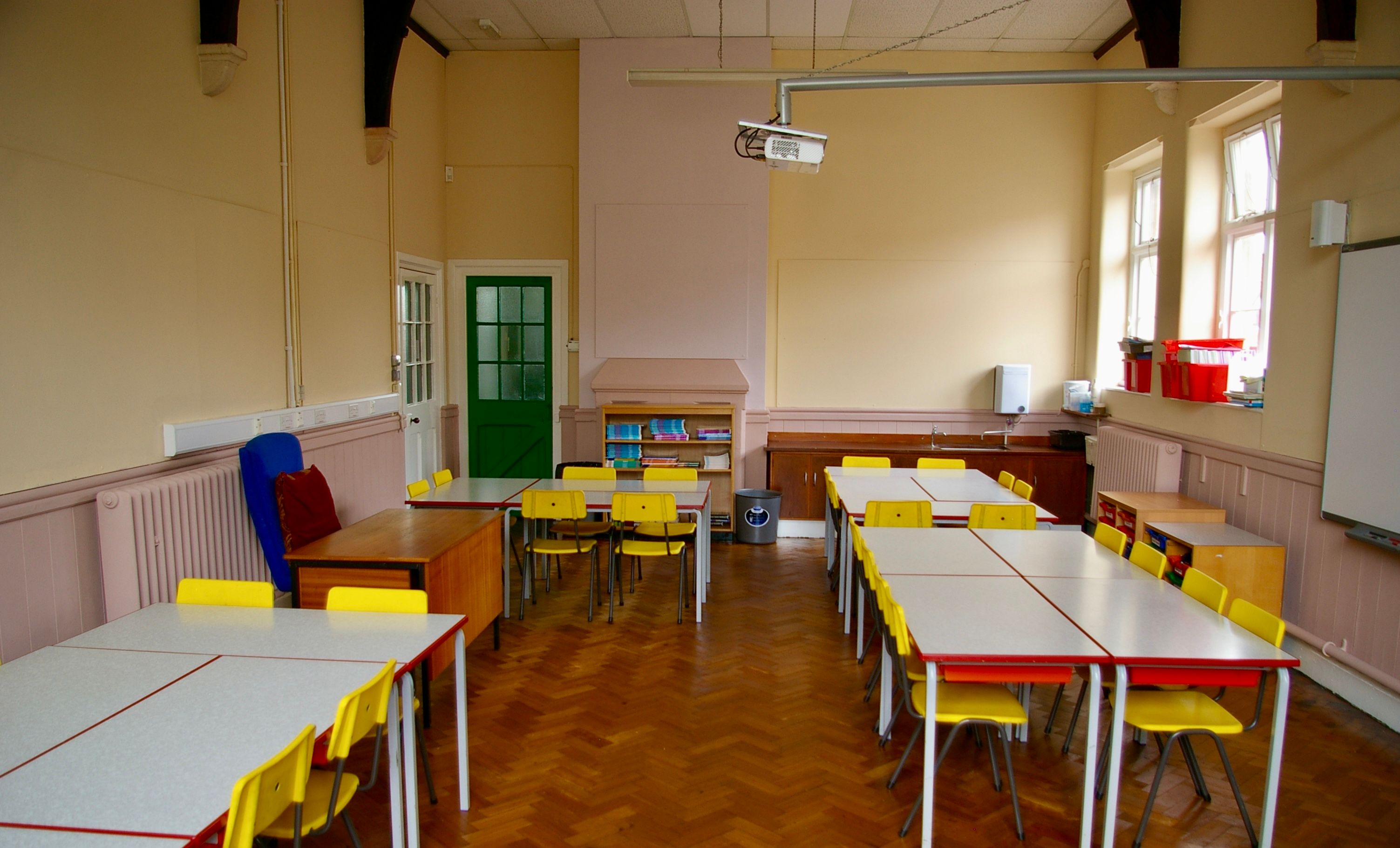
The education sector in Ireland is witnessing a transformative wave with the rise of modular school buildings, a solution that promises not only efficiency but also sustainability and flexibility. As schools strive to meet the demands of increasing student populations and evolving educational needs, modular construction offers a compelling alternative to traditional building methods. This innovative approach is characterized by prefabricated sections built off-site and assembled on location, ensuring minimal disruption and expedited project timelines.
Advantages of Modular School Buildings
Modular school buildings are gaining traction for several reasons. They offer a range of benefits that make them an attractive option for educational institutions looking to expand or upgrade their facilities.
- Speed and Efficiency: The construction process for modular buildings is significantly faster, enabling schools to adapt quickly to changing needs.
- Cost-Effectiveness: Prefabricated modules reduce the cost of labor and materials, offering budget-friendly solutions for schools.
- Flexibility and Scalability: Modular buildings can be easily reconfigured or expanded to suit the evolving requirements of educational institutions.
- Sustainability: Modular construction minimizes waste and energy consumption, aligning with sustainable building practices.
For institutions eager to embrace these benefits, understanding the nuances of modular construction is crucial. Discover expert strategies here to effectively integrate modular solutions into educational settings.
Design and Customization Options
One of the standout features of modular school buildings is their ability to be customized to meet specific educational needs. From classroom layouts to specialized facilities, modular construction offers unparalleled design flexibility.
Classroom Configurations
Schools can choose from a variety of classroom designs that optimize space and enhance learning environments. Options include:
- Open-plan classrooms that encourage collaborative learning.
- Traditional classroom setups for focused instruction.
- Specialized rooms for STEM, arts, and technology education.
These configurations can be tailored to support diverse teaching methodologies and curriculum requirements. Learn about our tailored solutions to see how modular designs can be adapted for various educational purposes.
Implementation Challenges and Solutions
While the benefits of modular school buildings are clear, the implementation process can pose certain challenges. However, with strategic planning and expert guidance, these obstacles can be overcome.
- Site Preparation: Proper site assessment and preparation are crucial to ensure the stability and longevity of modular structures.
- Regulatory Compliance: Navigating local building codes and regulations can be complex, requiring thorough understanding and adherence.
- Integration with Existing Structures: Seamlessly integrating new modular buildings with existing facilities demands careful planning and execution.
Addressing these challenges requires a comprehensive approach that leverages industry expertise. Explore advanced guides and tips for overcoming these hurdles and ensuring successful project outcomes.
The Future of Modular School Buildings in Ireland
The adoption of modular school buildings in Ireland is set to accelerate as educational institutions continue to recognize their advantages. This trend not only signifies a shift towards more sustainable building practices but also highlights the importance of flexibility and adaptability in meeting the future demands of education.
As more schools embrace modular construction, the focus will increasingly shift towards innovation and the development of smart, eco-friendly educational environments. Find out more about this approach and how it is poised to shape the future of education in Ireland.