
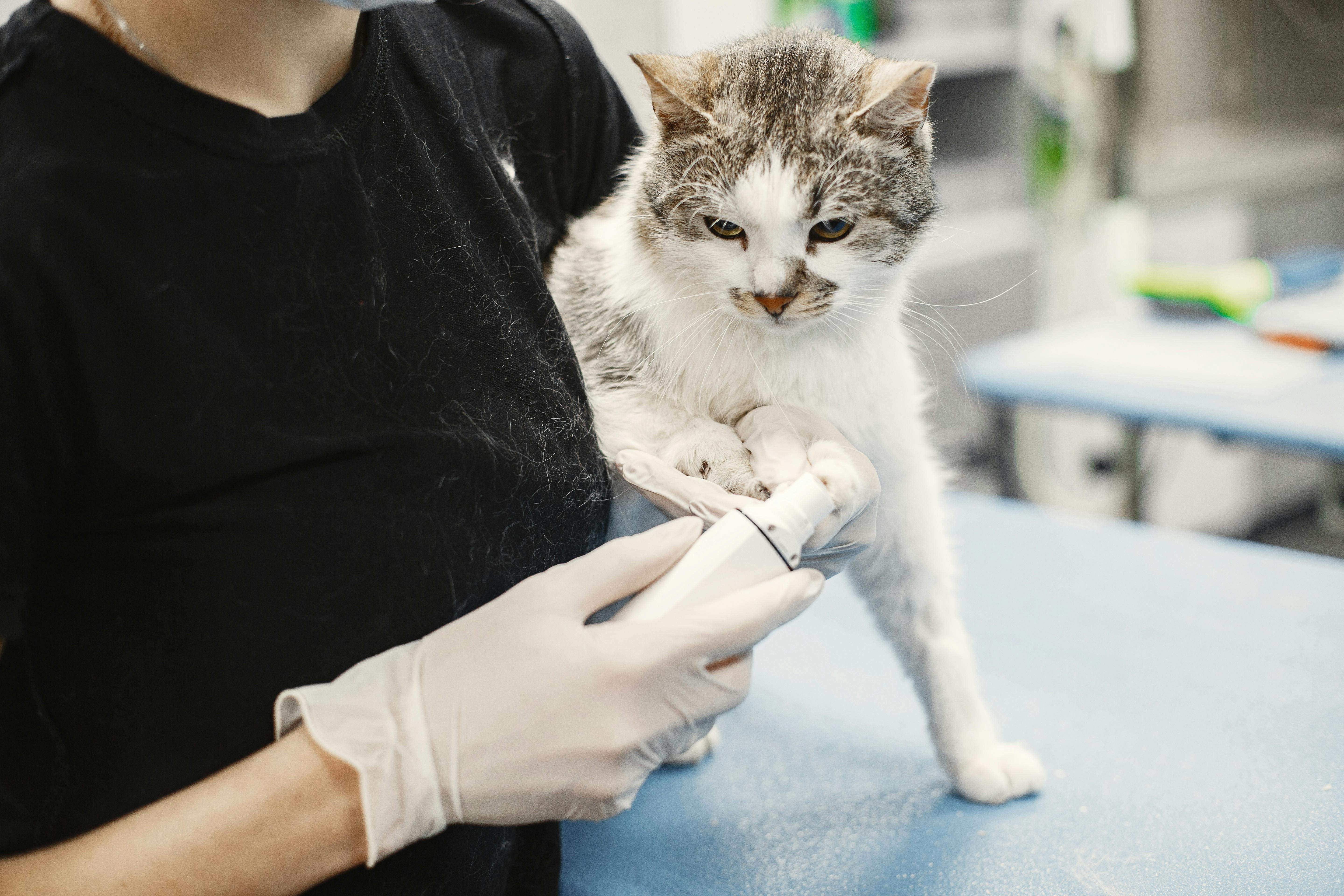
Finding a reliable veterinary hospital nearby can be a daunting task, especially when the health and happiness of a beloved pet are at stake. Pet owners need a facility that combines advanced medical expertise, compassionate care, and convenient access. This article explores the essential factors to consider when searching for a trusted vet hospital near you, outlines the services typically offered, and provides practical tips for making an informed decision. By understanding what constitutes quality veterinary care, owners can ensure their pets receive the best possible treatment without unnecessary stress or expense.
Key Attributes of a Quality Veterinary Hospital
Qualified Staff and Ongoing Education
- Veterinarians should hold accredited degrees and maintain active licensure.
- Continuing education programs keep the team up-to-date with the latest diagnostic and therapeutic techniques.
- Support staff, including technicians and receptionists, should demonstrate professionalism and empathy.
Comprehensive Medical Services
- Preventive care: vaccinations, wellness exams, and parasite control.
- Diagnostic capabilities: in-house labs, digital radiography, ultrasound, and sometimes CT or MRI.
- Surgical options: routine spays/neuters, soft-tissue surgeries, and orthopedic procedures.
- Emergency and critical care: 24/7 availability or clear referral pathways.
Facility Standards and Equipment
- Clean, well-organized treatment areas that adhere to strict sanitation protocols.
- Modern equipment that reduces stress for animals, such as low-light examination rooms and quiet waiting areas.
- Accessible amenities for pet owners, including parking, online appointment scheduling, and clear signage.
Evaluating Location and Accessibility
Convenience plays a crucial role during routine visits and emergencies alike. When assessing a potential hospital, consider the following:
- Proximity to home or work to minimize travel time.
- Hours of operation that align with personal schedules.
- Availability of tele-medicine consultations for minor concerns.
For a deeper look at how location influences care quality, Read more about this topic.
Understanding Cost Transparency
Transparent pricing helps prevent surprise bills and builds trust between the clinic and pet owners. Look for hospitals that provide:
- Itemized estimates before procedures.
- Clear explanations of medication costs and follow-up care.
- Options for payment plans or financing for more extensive treatments.
Guidelines on evaluating veterinary cost structures can be found in this detailed guide: Learn more in this detailed guide.
Assessing Communication and Client Support
Effective communication ensures that pet owners fully understand diagnoses, treatment options, and home care instructions. Quality hospitals typically:
- Offer thorough explanations using layperson-friendly language.
- Provide written discharge summaries and medication schedules.
- Maintain open lines of contact for post-visit questions.
Additional insights on fostering clear veterinarian-client communication are available here: Explore further insights here.
Specialized Care Options
Some pets require niche expertise, such as oncology, cardiology, or exotic animal care. When these needs arise, a hospital should either have in-house specialists or established referral networks.
- On-site specialists can reduce the stress of multiple appointments.
- Referral partnerships should be transparent, with clear explanations of the process.
- Advanced diagnostic tools support accurate, timely diagnoses.
For more information on accessing specialized veterinary services, Find additional information here.
Creating a Positive Experience for Your Pet
Animals are sensitive to their environment. A hospital that prioritizes a calm, low-stress atmosphere can improve outcomes and make visits less traumatic.
- Separate waiting areas for dogs and cats to reduce anxiety.
- Use of pheromone diffusers or soothing music in exam rooms.
- Gentle handling techniques taught to all staff members.
Making the Final Decision
After gathering information, compare facilities based on the criteria above. Create a shortlist and consider scheduling a preliminary visit or tour. During the visit, observe:
- Cleanliness of treatment and examination rooms.
- Interaction between staff and animals.
- Responsiveness to questions and clarity of explanations.
Choosing a trusted vet hospital near you is an investment in your pet’s long-term health and well-being. By focusing on qualified staff, comprehensive services, transparent costs, and a compassionate environment, owners can feel confident that their furry companions are in capable hands.