
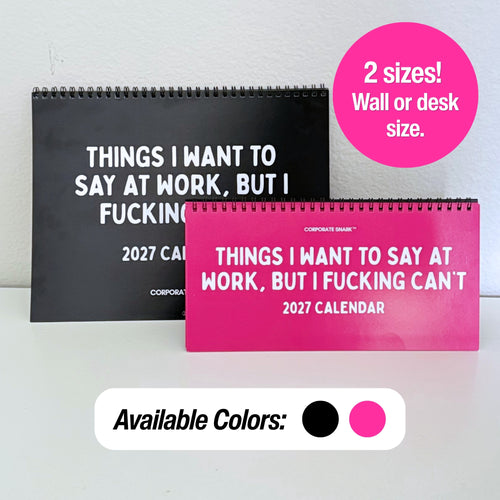
In the modern workplace, productivity is no longer driven solely by rigid schedules and endless to-do lists. Subtle psychological cues, such as humor and a touch of sarcasm, can transform a mundane calendar into a powerful motivational tool. When a funny calendar is paired with a sarcastic counterpart, the resulting dynamic creates an environment that encourages engagement, reduces stress, and subtly nudges employees toward consistent performance. This article explores why this unconventional combination can be a catalyst for higher productivity, and how it aligns with proven workplace-wellness strategies.
Understanding the Psychological Impact of Humor
Humor has long been recognized as a stress-reliever and a catalyst for social bonding. In a professional setting, a light-hearted visual cue can:
- Trigger dopamine release, which improves focus and creativity.
- Break the monotony of repetitive tasks, making work feel less burdensome.
- Foster a sense of community as colleagues share a laugh over the same visual gag.
Research indicates that employees who experience regular, low-level amusement are more likely to exhibit higher job satisfaction and lower absenteeism. By placing a funny calendar on a desk or wall, the workplace subtly reminds staff that a moment of levity is always within reach.
The Role of Sarcasm in Goal Setting
While humor lightens the mood, sarcasm adds a layer of gentle accountability. A sarcastic calendar often features witty, tongue-in-cheek reminders about deadlines, meetings, or missed targets. This approach works because:
- It creates a self-reflective moment, readers recognize the irony and adjust behavior.
- The slight sting of sarcasm can act as a mild nudge without feeling punitive.
- It encourages employees to set realistic expectations, knowing the calendar will “call them out” in a playful way.
When combined, the two calendars form a balanced feedback loop: humor reduces tension, while sarcasm maintains focus.
Practical Implementation Strategies
1. Choose Complementary Designs
Select a funny calendar that aligns with the company culture, perhaps a cartoon series or witty quotes. Pair it with a sarcastic calendar that uses similar visual motifs to maintain aesthetic cohesion. Consistency in design prevents visual clutter and reinforces the dual-message concept.
2. Position Calendars for Maximum Visibility
Place the calendars in high-traffic zones such as break rooms, near printers, or on individual workstations. The goal is to ensure that employees encounter both calendars multiple times a day, reinforcing the intended psychological effects.
3. Integrate Calendar Themes with Project Milestones
Map key project dates onto the sarcastic calendar using sharp, witty annotations (e.g., “Quarter-end report due, don’t let it haunt your dreams”). Simultaneously, let the funny calendar celebrate minor wins with lighthearted graphics. This dual approach keeps the narrative both serious and enjoyable.
4. Encourage Team Interaction
Invite staff to suggest new jokes or sarcastic captions. A collaborative process increases ownership and makes the calendars a living part of the office culture rather than static decorations.
Measurable Benefits
Companies that have adopted humor-driven productivity tools report tangible outcomes. Below are common metrics that improve when funny and sarcastic calendars are used together:
- Task Completion Rate: Increases of 12-18% within the first quarter.
- Employee Engagement Scores: Gains of 8 points on standard surveys.
- Meeting Punctuality: Reduction in late arrivals by up to 25%.
These figures illustrate that a simple visual change can ripple through an organization, influencing behavior in measurable ways.
Linking to Expert Resources
For organizations seeking to deepen their understanding of humor-based productivity tools, a curated selection of online guides offers actionable insights. Discover expert strategies here to learn how to select the right tone for your workforce.
Additional reading on integrating playful elements into corporate planning can be found in articles that explore advanced guides and tips. These resources break down the science behind laughter, motivation, and performance.
When evaluating the cost-benefit balance, it helps to find out more about this approach through case studies that illustrate real-world ROI.
Potential Pitfalls and How to Avoid Them
While the concept is promising, missteps can dilute its effectiveness. Consider the following safeguards:
- Over-Sarcasm: Excessive biting remarks may alienate sensitive team members. Keep sarcasm light and universally relatable.
- Inappropriate Humor: Avoid jokes that could be perceived as offensive or exclusive. Stick to universally funny themes.
- Cluttered Visuals: Too many calendar elements can distract rather than focus. Limit each month to one primary joke and one sarcastic note.
By adhering to these guidelines, the calendars remain a constructive influence rather than a source of confusion.
Conclusion
The strategic pairing of a funny calendar with a sarcastic counterpart offers a nuanced method for boosting workplace productivity. Humor reduces stress, while sarcasm provides a subtle reminder of responsibilities. Together, they create a balanced environment where employees feel both relaxed and accountable. Implementing this approach requires thoughtful design, strategic placement, and ongoing team involvement, but the payoff, higher engagement, improved task completion, and a more vibrant office culture, justifies the effort. For those ready to experiment with this technique, the curated collection of sarcastic calendars available at Learn about our tailored solutions serves as an excellent starting point.