
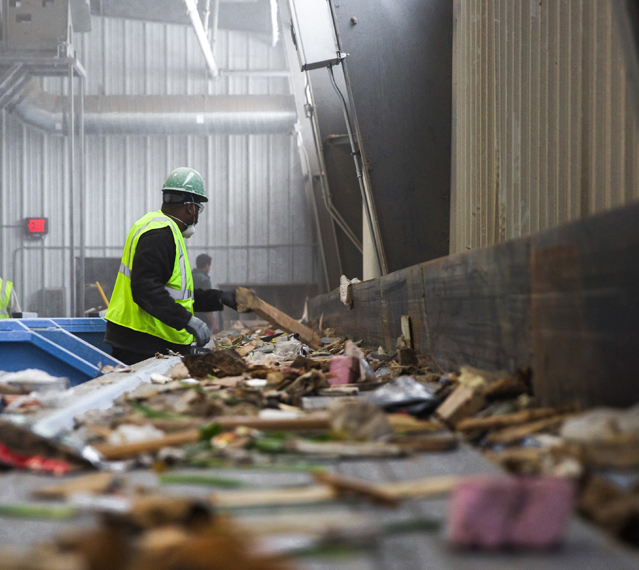
Choosing the right plastic recycling machine supplier is crucial for businesses looking to make an impactful investment in sustainable practices. With the growing emphasis on environmental responsibility, selecting a reliable supplier not only enhances operational efficiency but also helps in meeting sustainability goals. This guide provides essential insights and considerations to help businesses make informed decisions when selecting a supplier for plastic recycling machinery.
Understanding Your Requirements
The first step in choosing a supplier is to clearly understand your specific needs. This involves assessing the type of plastic materials you plan to recycle, the volume of waste generated, and the desired output quality. Key considerations include:
- Types of plastics to be recycled (e.g., PET, HDPE, PVC).
- Production capacity requirements.
- Space availability for machinery installation.
- Energy consumption and efficiency of the machines.
By establishing clear requirements, businesses can narrow down suppliers that offer suitable machinery. To deepen your understanding of specific recycling needs, read more about this topic.
Evaluating Supplier Expertise and Experience
Supplier expertise is a critical factor in ensuring the longevity and effectiveness of the recycling equipment. Consider the following when evaluating potential suppliers:
- Years of experience in the plastic recycling industry.
- Technical expertise and innovation in machine design.
- Availability of technical support and after-sales service.
- Testimonials or case studies showcasing successful installations.
Experienced suppliers are more likely to provide reliable machinery and support necessary for optimal performance. Explore further insights here to understand how supplier expertise can impact your recycling operations.
Assessing Quality and Certification Standards
Quality assurance is paramount when investing in recycling machinery. Suppliers should adhere to international standards and certifications that guarantee machine safety and efficiency. Key standards to consider include:
- ISO certification for quality management systems.
- Compliance with environmental and safety regulations.
- CE marking for adherence to EU safety, health, and environmental requirements.
Ensuring that a supplier meets these standards minimizes the risk of operational disruptions and ensures compliance with regulatory obligations. Learn more in this detailed guide about the importance of quality and certification standards in the recycling industry.
Cost Considerations and Budgeting
While quality and reliability are vital, cost considerations cannot be overlooked. It is essential to balance between the initial investment and the long-term benefits offered by the machinery. Key points to consider include:
- Initial purchase cost versus long-term operational costs.
- Potential savings in energy and waste management expenses.
- Availability of financing options or leasing agreements.
Making a cost-effective decision involves evaluating the total cost of ownership rather than just the upfront price. Find additional information here on how to effectively budget for plastic recycling machinery.
Supplier Reputation and Customer Support
Lastly, the reputation of the supplier and the quality of customer support provided are critical factors. Reliable suppliers should offer comprehensive support services including installation, training, and maintenance. Consider the following:
- Availability of customer support and technical assistance.
- Warranty terms and conditions.
- Accessibility of spare parts and maintenance services.
A supplier with a strong reputation and robust support services can greatly enhance the operational efficiency of recycling machinery. For more detailed insights on choosing a reputable supplier, explore further insights here.
In conclusion, selecting the right plastic recycling machine supplier involves a comprehensive evaluation of needs, supplier expertise, machine quality, cost, and support services. By considering these factors, businesses can ensure they make a sustainable and economically sound investment in their recycling efforts.