
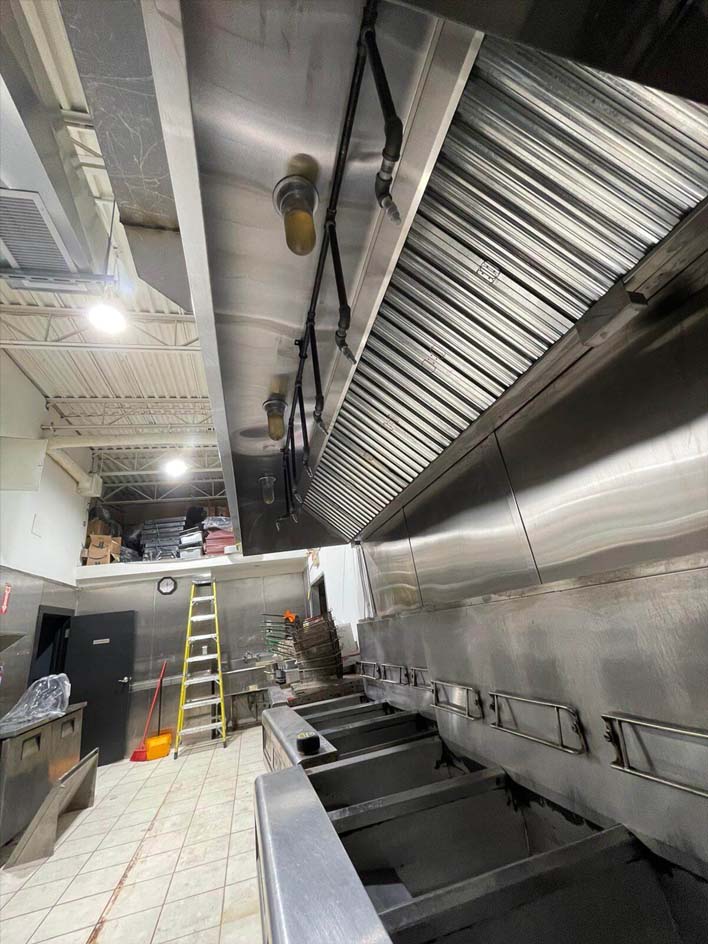
Choosing the right ventilation system for a commercial kitchen is a critical decision that impacts safety, energy efficiency, food quality, and overall operational costs. A well-designed exhaust solution removes heat, smoke, grease, and odors while maintaining a comfortable work environment for staff. This article outlines the key considerations that should guide the selection process, helping facility managers, chefs, and engineers make an informed choice that aligns with regulatory requirements and long-term business goals.
Understanding Regulatory and Safety Requirements
Compliance with local building codes and occupational safety standards is non-negotiable. Ventilation systems must meet fire-suppression criteria, air-flow specifications, and hygiene regulations.
- Identify the applicable fire-code classifications for grease-laden exhaust ducts.
- Verify that the system includes automatic fire-suppression devices where required.
- Ensure the design adheres to the recommended capture velocity for the specific cooking equipment.
- Consult the latest guidelines from health departments regarding air exchange rates.
For detailed guidance on meeting these standards, Read more about this topic.
Assessing Kitchen Layout and Cooking Load
The physical configuration of the kitchen and the intensity of cooking activities directly influence ventilation needs.
Equipment Types and Heat Generation
- High-heat appliances (grills, fryers, ovens) produce more grease and steam, requiring higher exhaust capacities.
- Low-heat stations (prep tables, refrigeration) generate less load but still need adequate makeup air.
- Consider the simultaneous operation of multiple units; peak load calculations are essential.
Spatial Considerations
- Measure ceiling heights, duct runs, and the distance between cooking equipment and exhaust hoods.
- Long duct runs increase static pressure, potentially demanding larger fans or more powerful blowers.
- Plan for future expansion; modular systems can accommodate additional equipment without extensive retrofits.
To explore how layout impacts system sizing, Learn more in this detailed guide.
Performance Metrics and Energy Efficiency
Efficient ventilation balances adequate airflow with minimal energy consumption. Selecting the right fan type and control strategy can yield significant cost savings.
Airflow Measurement
- CFM (cubic feet per minute) requirements are calculated based on the cooking surface area and type of cooking.
- Capture velocity should be maintained at 100-150″?ft/min for most commercial applications.
- Use variable-frequency drives (VFDs) to adjust fan speed according to real-time cooking load.
Energy-Saving Features
- Heat recovery ventilators (HRVs) can reclaim waste heat, reducing heating costs.
- Demand-controlled ventilation (DCV) sensors adjust airflow based on temperature, humidity, and smoke levels.
- High-efficiency motors and aerodynamic duct designs lower static pressure losses.
For insights into optimizing energy performance, Explore further insights here.
Maintenance, Accessibility, and Longevity
Regular upkeep ensures the system operates safely and efficiently over its lifespan. Design choices should facilitate easy cleaning and inspection.
- Choose hoods with removable grease filters that can be accessed without dismantling ductwork.
- Install access panels at strategic points for routine inspection of fans, belts, and fire-suppression components.
- Materials such as stainless steel and aluminum resist corrosion in high-humidity environments.
- Consider a maintenance schedule that aligns with kitchen operating hours to minimize downtime.
Guidelines on maintenance best practices are available at Find additional information here.
Budgeting and Return on Investment (ROI)
While upfront costs are a primary concern, the total cost of ownership, including energy use, maintenance, and potential downtime, should be evaluated.
- Compare the initial purchase price against long-term energy savings from high-efficiency fans.
- Factor in the cost of regular cleaning services and filter replacements.
- Assess potential insurance premium reductions when fire-suppression systems meet or exceed code requirements.
- Calculate ROI based on projected energy savings and reduced maintenance expenses over a 5-10 year period.
Integrating Controls and Smart Technology
Modern ventilation systems can be linked to building management systems (BMS) for centralized monitoring and control.
- Use temperature and smoke sensors to trigger automatic fan speed adjustments.
- Implement remote diagnostics to detect motor wear or airflow restrictions before failures occur.
- Integrate with kitchen display systems to synchronize ventilation with cooking cycles.
For a deeper dive into smart ventilation integration, Read more about this topic.
Final Checklist for Decision-Makers
- Confirm compliance with fire, health, and building codes.
- Calculate accurate CFM requirements based on equipment and peak load.
- Choose energy-efficient fans, VFDs, and heat recovery options.
- Ensure design allows easy access for cleaning and maintenance.
- Evaluate total cost of ownership and projected ROI.
- Consider future expansion and smart control capabilities.
By systematically reviewing these considerations, stakeholders can select a commercial kitchen ventilation system that safeguards staff, protects the facility, and supports sustainable operations. For comprehensive resources and technical articles, Explore further insights here.