
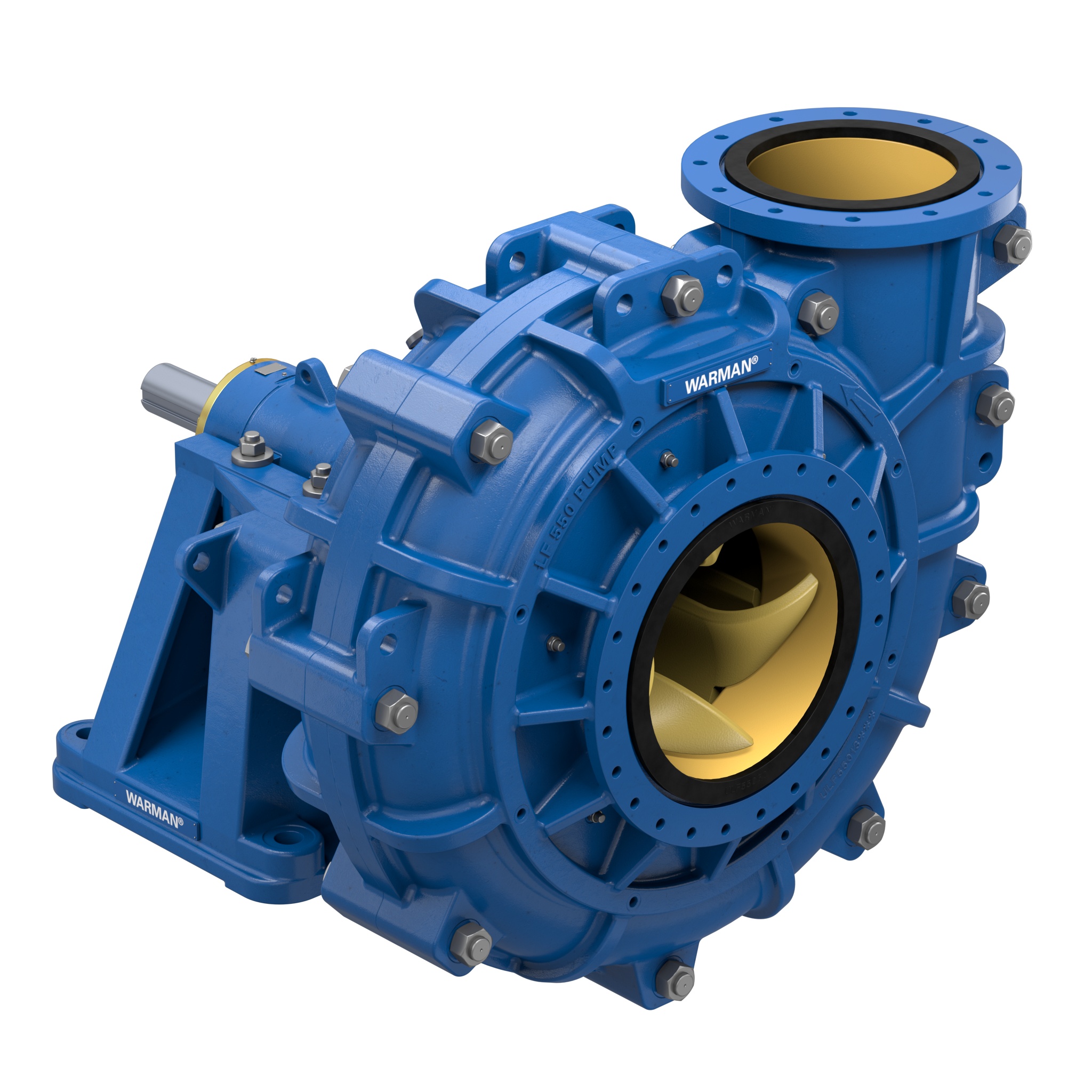
Slurry pumps are an essential component in many industrial processes, facilitating the transport of abrasive and corrosive slurries. The efficiency of these pumps is significantly influenced by the design of the suction piping. Properly designed suction piping minimizes turbulence, reduces wear, and maximizes pump life and efficiency. This guide provides insights into optimizing slurry pump suction piping to enhance operational efficiency and reliability.
Understanding the Importance of Suction Piping Design
The design of suction piping plays a pivotal role in ensuring the smooth operation of slurry pumps. Poorly designed piping can lead to increased turbulence, cavitation, and reduced pump efficiency. Here are some key considerations:
- Minimize Turbulence: Turbulence can lead to increased wear and energy consumption. Ensuring straight, smooth flow paths in the suction piping helps minimize turbulence.
- Avoid Cavitation: Cavitation can cause significant damage to pump components. Proper sizing and design of suction piping can help avoid conditions that lead to cavitation.
- Optimize Flow Velocity: Maintaining the right flow velocity is crucial for preventing sedimentation and ensuring efficient pump performance.
Key Design Considerations for Suction Piping
Piping Configuration
When designing slurry pump suction piping, the configuration is critical. Consider the following:
- Straight Runs: Whenever possible, use straight pipe runs to reduce friction and turbulence.
- Minimize Bends: Use as few bends as possible, and opt for long radius bends to further reduce flow resistance.
- Proper Sizing: Ensure the pipe diameter is appropriate to handle the slurry flow rate without causing excessive velocity or pressure drop.
Material Selection
Material selection is crucial due to the abrasive and corrosive nature of slurries. Materials need to be durable and capable of withstanding harsh conditions:
- Corrosion Resistance: Choose materials that offer high resistance to the specific chemicals in the slurry.
- Abrasion Resistance: The materials should withstand the wear caused by abrasive particles in the slurry.
Installation Best Practices
Proper installation of suction piping is as important as its design. Here are some best practices to follow:
- Alignment: Ensure that the piping is properly aligned with the pump inlet to avoid undue stress and misalignment.
- Support and Anchoring: Provide adequate support and anchoring to prevent sagging or vibration in the piping.
- Regular Inspection: Conduct regular inspections to detect and address wear, leaks, or other issues promptly.
Conclusion
Optimizing slurry pump suction piping is a critical aspect of maximizing pump efficiency and longevity. By considering factors such as piping configuration, material selection, and installation practices, industries can significantly enhance their operational efficiency. For those seeking further guidance on slurry pump solutions, discover expert strategies here and explore advanced guides and tips.
To delve deeper into tailored solutions for slurry pump applications, learn about our tailored solutions and find out more about this approach to ensure optimal performance and reliability in demanding environments.