
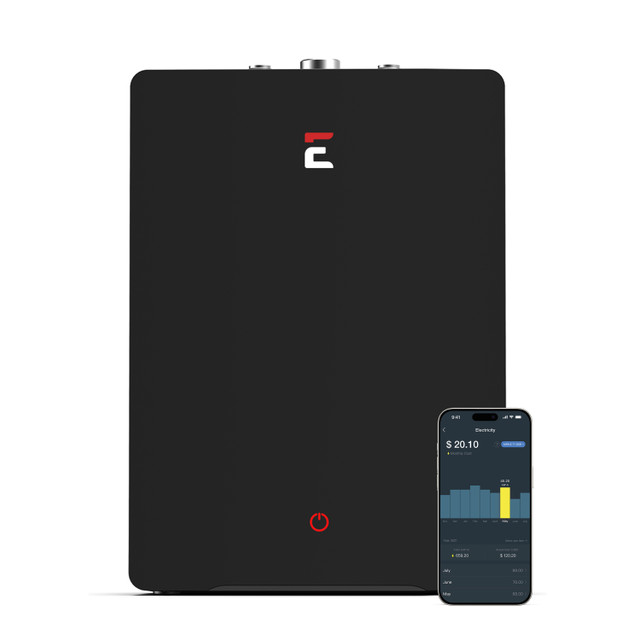
In the quest for energy efficiency within homes, the spotlight is increasingly being cast on smart tankless water heaters. Traditional water heaters, with their bulky tanks, often lead to significant energy waste, heating water that isn’t immediately used. This has prompted a shift towards smarter solutions, which not only save energy but also reduce costs and environmental impact. This article delves into how smart tankless water heaters are revolutionizing home water heating and why they might be the perfect fit for modern households.
Understanding Smart Tankless Water Heaters
Unlike conventional water heaters, tankless models heat water directly without the need for a storage tank. This on-demand approach is inherently more efficient, as energy is used only when hot water is needed. Smart tankless water heaters take this efficiency a step further by incorporating technology that optimizes energy use and enhances user control.
How They Work
- Energy Efficiency: By heating water only when it’s required, these systems significantly reduce standby energy losses.
- Advanced Monitoring: Smart features enable users to monitor water usage and energy consumption in real-time.
- Remote Control: Many models offer connectivity to smart home systems, allowing for remote adjustments and scheduling.
For more insights into how these systems function and their benefits, discover expert strategies here.
Benefits of Smart Tankless Water Heaters
Switching to a smart tankless water heater offers numerous benefits that extend beyond simple energy savings. Here are some compelling reasons to consider this upgrade:
Cost Savings
- Reduced Energy Bills: By eliminating the continuous energy use of a traditional tank heater, homeowners can see significant reductions in their utility bills.
- Longer Lifespan: With fewer components exposed to constant heat and pressure, these units often boast a longer operational life.
Learn about tailored solutions that could enhance your home’s efficiency.
Environmental Impact
- Lower Carbon Footprint: By consuming less energy, smart tankless water heaters contribute to reducing the overall carbon footprint of a household.
- Water Conservation: Some models include features that limit water flow, ensuring minimal wastage.
To understand more about minimizing environmental impact through advanced technologies, explore advanced guides and tips.
Choosing the Right Smart Tankless Water Heater
When selecting a smart tankless water heater, there are several factors to consider to ensure it meets the needs of your household:
- Size and Capacity: Ensure the unit can handle peak demand times, particularly in larger households.
- Technology Features: Look for models with app connectivity, energy monitoring, and remote control capabilities.
- Installation Requirements: Professional installation is recommended to optimize performance and ensure safety.
For more guidance on choosing the right model for your home, find out more about this approach.
Conclusion
The transition to a smart tankless water heater can be a significant step towards energy efficiency and sustainability in the home. By providing hot water on-demand and integrating smart technology for optimal control and monitoring, these systems are well-suited for modern living. For homeowners seeking to reduce energy costs while minimizing their environmental impact, smart tankless water heaters present a compelling option. As technology continues to advance, these systems are likely to become an essential component of the smart home ecosystem.