
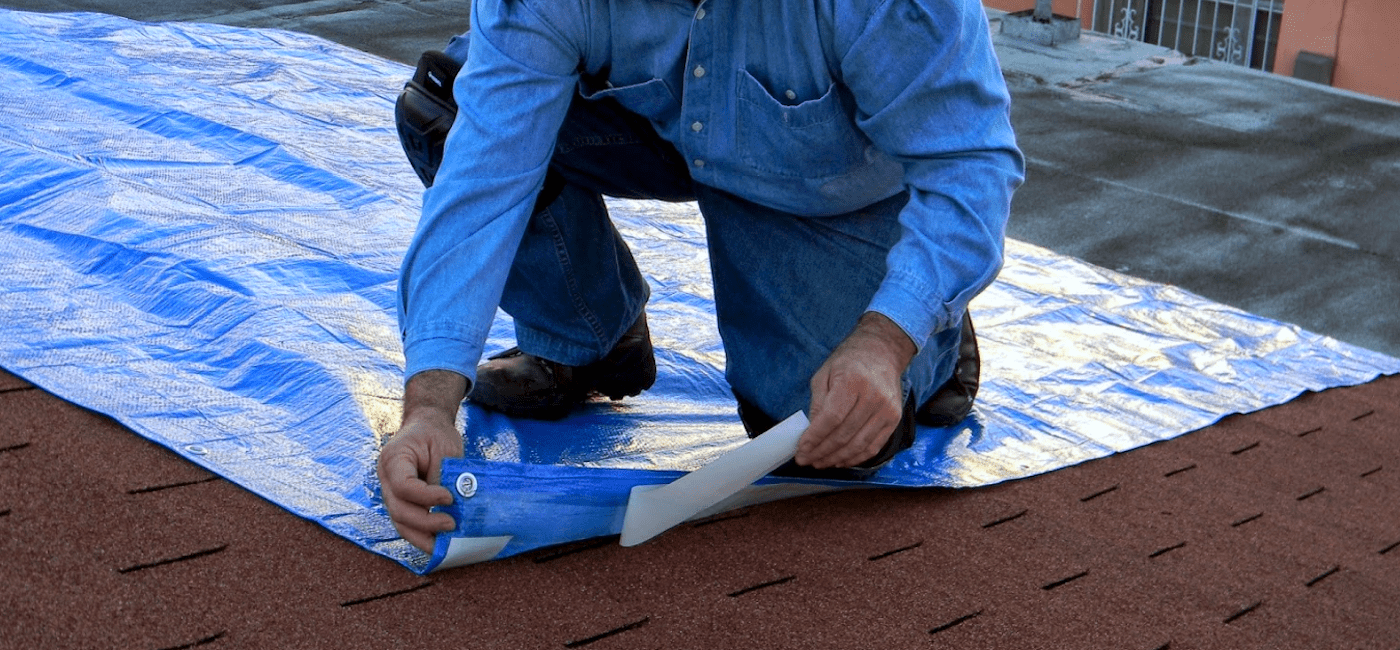
In the face of unpredictable weather conditions, ensuring the protection of one’s roof can be a daunting task. Traditional methods of roof repair can often be both time-consuming and costly. This is where self-adhesive roof tarp solutions come into play, offering a quick, efficient, and cost-effective way to shield your property from the elements. The innovation behind these tarps lies in their ease of use and durability, making them an essential tool for homeowners and contractors alike. This guide aims to provide a comprehensive overview of self-adhesive roof tarps, detailing their benefits, application techniques, and considerations for choosing the right product for specific needs.
Understanding Self-Adhesive Roof Tarps
Self-adhesive roof tarps are designed with modern adhesive technologies that allow for secure placement on various roof surfaces. These tarps are typically constructed from durable materials capable of withstanding harsh weather conditions, including heavy rain, wind, and UV exposure. They offer a temporary yet reliable solution to prevent water penetration during emergency repairs or renovations.
Benefits of Using Self-Adhesive Roof Tarps
Adopting self-adhesive roof tarps provides several advantages:
- Quick and hassle-free installation without the need for additional tools.
- Cost-effective compared to traditional roof repair methods.
- Flexible and adaptable to a variety of roof shapes and sizes.
- Reliable protection against leaks and interior damage.
- Reduced risk of injury due to ease of installation.
For more detailed insights into these advantages, discover expert strategies here.
Application Techniques
Preparing the Roof Surface
Proper preparation of the roof surface is crucial for ensuring the effectiveness of self-adhesive tarps. This involves:
- Cleaning the roof surface to remove debris and dirt.
- Ensuring the surface is dry to enhance adhesive performance.
- Checking for sharp objects that may damage the tarp.
Installation Process
The installation process is straightforward:
- Measure the area to be covered and cut the tarp to size.
- Peel off the backing to expose the adhesive side.
- Align and press the tarp firmly onto the roof surface.
- Smooth out any air pockets or wrinkles to ensure a tight seal.
For a step-by-step guide, explore advanced guides and tips.
Considerations When Choosing a Self-Adhesive Roof Tarp
Selecting the right tarp involves several considerations:
- Material quality and durability.
- Compatibility with the specific roof type and surface.
- Size and coverage area required.
- Weather resistance properties, including UV protection.
- Ease of application and removal.
To understand more about making an informed choice, find out more about this approach.
Conclusion
Self-adhesive roof tarps represent a practical and efficient solution for temporary roof protection. Their ease of use, combined with robust protective capabilities, makes them an invaluable resource for both emergency situations and planned maintenance. For those seeking reliable and effective roof protection, these tarps offer a compelling option. Learn about our tailored solutions to ensure optimal results.