
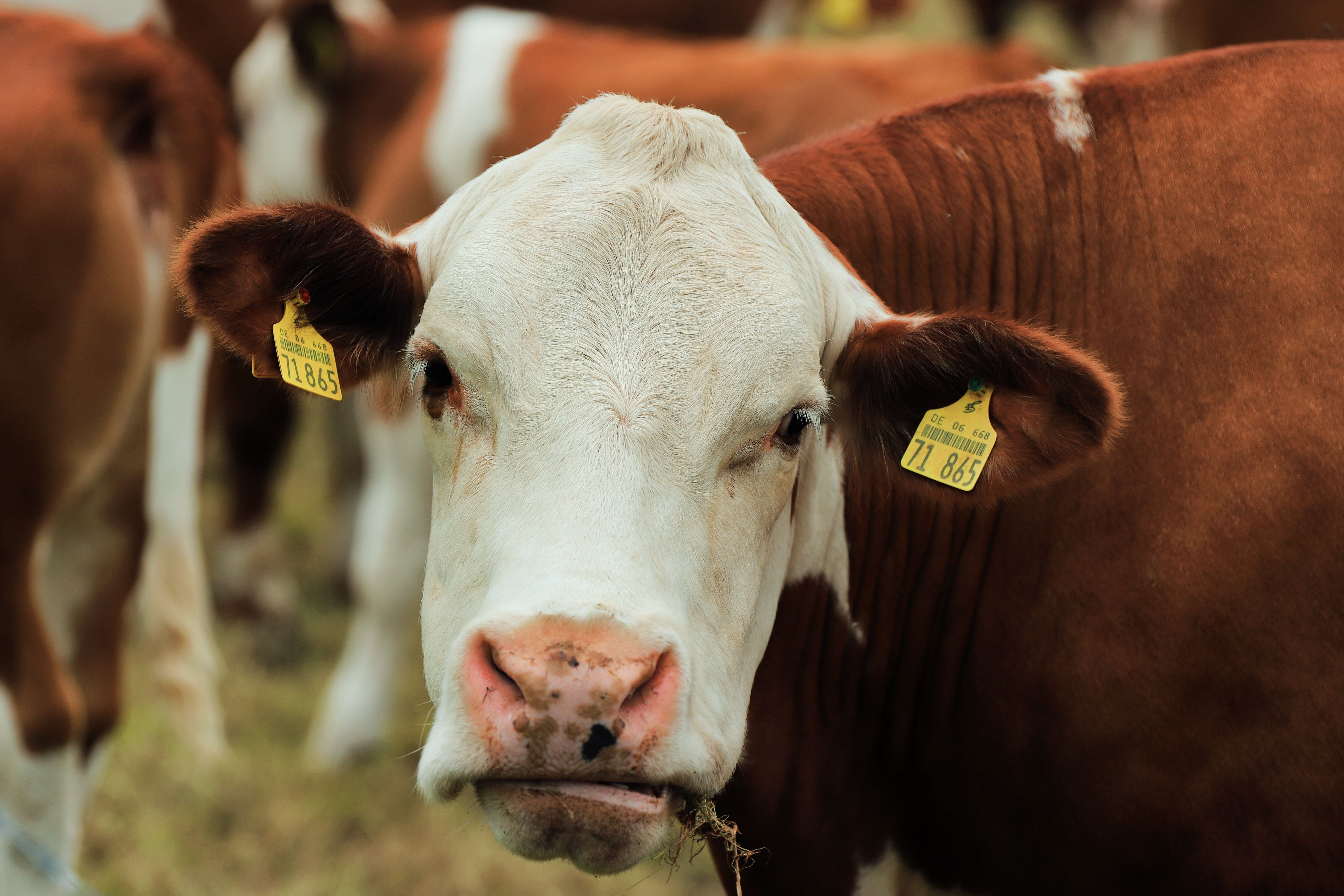
Irish lamb farming has long been synonymous with rolling green pastures, hardy breeds, and a heritage that stretches back centuries. While the pastoral image remains vivid, the industry is undergoing a quiet transformation driven by science, technology, and sustainable practices. This blend of time-tested methods and modern breakthroughs not only enhances meat quality but also supports the rural economy, protects the environment, and positions Ireland as a benchmark for responsible livestock production.
Historical Roots of Irish Lamb Production
The story of Irish lamb begins with the arrival of the native Irish Blackface and the Suffolk breeds, both prized for their adaptability to the island’s climate. Generations of shepherds refined grazing patterns, seasonal lambing, and hand-sorting techniques that ensured consistent supply to local markets and export destinations.
Geographical Advantages
- Abundant rainfall sustains lush, year-round pastures.
- Temperate climate reduces the need for intensive housing.
- Fragmented farm sizes encourage diversified land use.
- Proximity to major European ports facilitates efficient trade.
These natural endowments laid the foundation for a resilient sector that could weather economic fluctuations while maintaining a reputation for premium flavor.
Modern Innovations Shaping the Industry
In recent decades, Irish lamb producers have embraced a suite of innovations that respect tradition yet address contemporary challenges. From data-driven herd management to eco-friendly feed formulations, each advancement aims to optimize productivity without compromising animal welfare.
Precision Farming Technologies
- GPS-enabled shepherd collars monitor movement patterns and grazing intensity.
- Remote sensors track soil moisture, enabling targeted pasture irrigation.
- Cloud-based dashboards aggregate health metrics, allowing early disease detection.
- Automated weighing stations provide real-time growth data for each lamb.
Farmers seeking deeper insight can Discover expert strategies here, where case studies illustrate measurable gains in feed efficiency and carcass uniformity.
Sustainable Nutrition and Breeding Programs
- Incorporation of locally sourced legumes reduces reliance on imported soy.
- Selective breeding emphasizes disease resistance and lower methane emissions.
- Rotational grazing integrates legumes to naturally fix nitrogen in the soil.
- Microbial feed additives improve gut health, enhancing feed conversion ratios.
For a deeper dive into genetics and feed innovation, Learn about our tailored solutions that align with EU sustainability targets.
Economic and Environmental Impact
The convergence of tradition and technology translates into tangible benefits for both the Irish economy and the planet. Premium lamb commands higher market prices, supporting farm incomes and rural employment. Simultaneously, reduced input use and lower greenhouse gas outputs contribute to Ireland’s climate commitments.
- Export value of Irish lamb exceeds ???150″?million annually, with growth driven by quality certifications.
- Adoption of low-input grazing practices cuts fertilizer use by up to 30%.
- Precision health monitoring lowers veterinary drug reliance, decreasing antimicrobial resistance risk.
- Carbon-footprint assessments show a 15% reduction per kilogram of meat produced compared to conventional systems.
Stakeholders interested in the broader policy context can Explore advanced guides and tips that outline compliance pathways and funding opportunities.
Future Outlook and Opportunities
Looking ahead, Irish lamb farming is poised to leverage emerging trends such as digital traceability, consumer-driven transparency, and regenerative agriculture. These developments promise to reinforce the sector’s reputation for quality while opening new market niches.
- Blockchain-based labeling can verify pasture-reared claims, appealing to ethically minded buyers.
- Collaborative research hubs are testing carbon-sequestering pasture mixes.
- Value-added products, such as heritage-breed cured meats, are gaining traction in gourmet circles.
- Education programmes for young farmers integrate agritech curricula, ensuring knowledge transfer.
For those eager to explore the strategic roadmap, Find out more about this approach, which outlines actionable steps for scaling innovation across the sector.
In summary, Irish lamb farming exemplifies how a deep respect for heritage can coexist with forward-thinking practices. By harnessing precision tools, sustainable nutrition, and market-driven innovation, the industry not only preserves its cultural legacy but also sets a benchmark for responsible livestock production worldwide.