
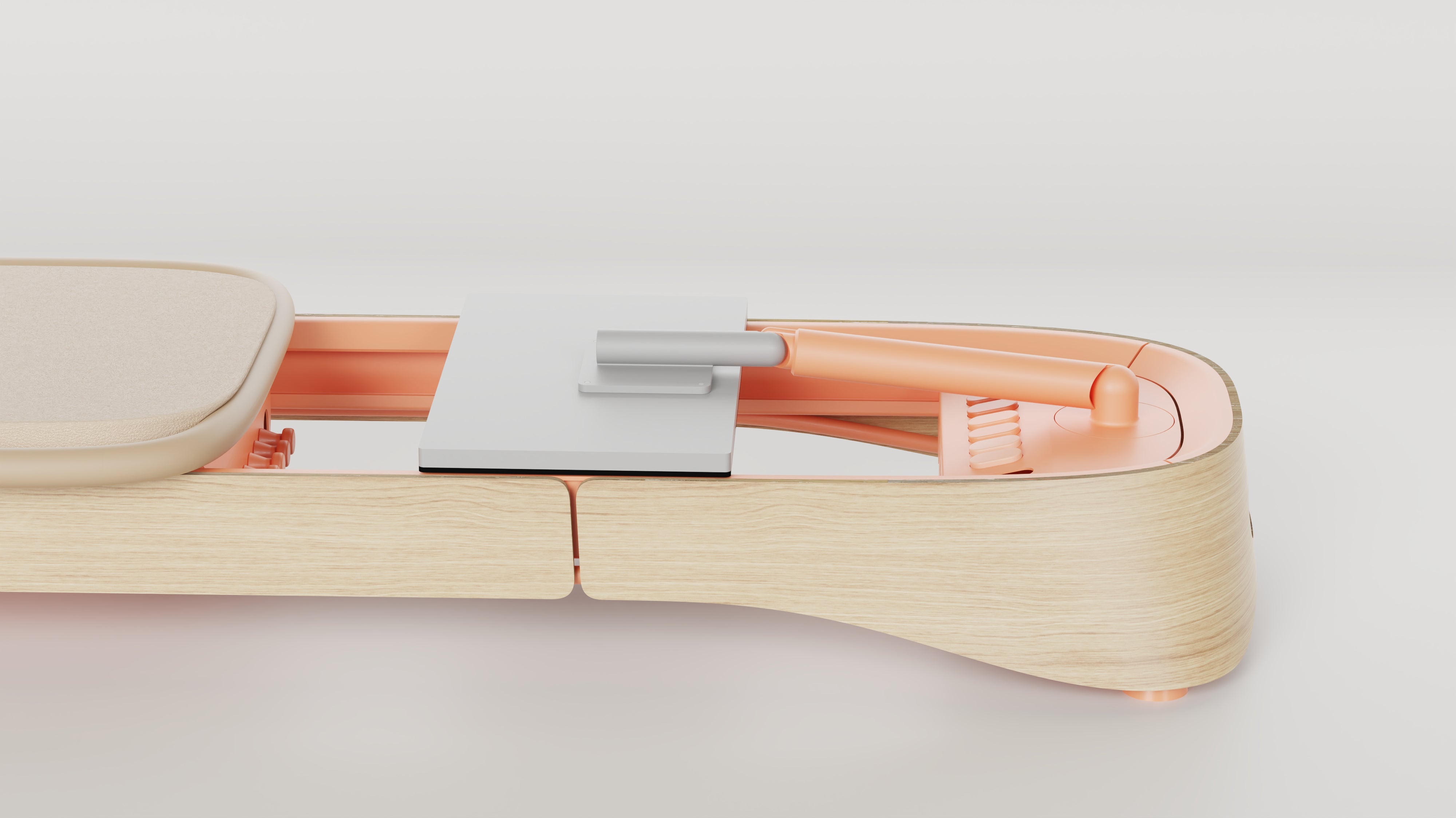
Pilates reformer classes have become a cornerstone of modern fitness, offering a low-impact yet highly effective way to build core strength, improve flexibility, and enhance overall body awareness. When the reformer is placed in a home studio, the opportunity to practice consistently expands dramatically. However, simply owning a reformer machine does not guarantee optimal results. Understanding how to set up the equipment, structure a balanced routine, and fine-tune technique are essential steps toward unlocking the full potential of your Pilates practice.
Setting Up Your Reformer for Success
Choosing the Right Space
- Allocate at least 8-10 feet of clear floor space to allow full range of motion.
- Ensure the area is well-ventilated and free from high-traffic pathways.
- Consider a non-slip mat or rubber flooring to protect both the reformer and your floors.
Adjusting the Machine
Every model has its own adjustment points, but the core principles remain the same:
- Footbar height: Align the footbar with the height of your shoulders when seated.
- Springs: Start with moderate tension (usually 2-3 springs) for beginner movements, increasing as strength improves.
- Carriage position: Center the carriage on the rails to maintain balance during exercises.
Designing an Effective Class Structure
Warm-Up and Activation
A proper warm-up prepares the nervous system and activates the core muscles that support every reformer exercise.
- Begin with 3-5 minutes of gentle footbar work (heel-toe lifts, ankle circles).
- Incorporate spinal articulation on the carriage (cat-cow, pelvic tilts).
- Use light spring tension for a few minutes of “neutral spine” rolls.
Core-Focused Sequences
These movements target the deep abdominal and lumbar stabilizers that define Pilates.
- Pilates reformer footwork – varied foot positions to challenge different muscle groups.
- Hundred on the carriage – maintain a steady rhythm while engaging the transverse abdominis.
- Long stretch series – integrate spinal extension with hip flexor control.
Strength and Flexibility Integration
Balancing resistance work with lengthening moves prevents muscular imbalances.
- Standing leg presses – build lower-body strength while keeping the spine neutral.
- Reverse knee-stretch – a controlled stretch for the hamstrings and glutes.
- Side-lying series – improve lateral stability and shoulder mobility.
Cool-Down and Recovery
Finish each session with a brief cool-down to promote circulation and reduce post-workout soreness.
- Spinal articulation on the carriage with reduced spring tension.
- Gentle seated forward folds on the footbar.
- Deep diaphragmatic breathing to reset the nervous system.
Optimizing Technique for Maximum Benefit
Alignment Cues
- Maintain a neutral pelvis throughout each movement.
- Keep shoulders relaxed and away from the ears.
- Engage the core before initiating any leg or arm action.
Breathing Patterns
Proper breath coordination enhances stability and flow.
- Inhale during preparation or lengthening phases.
- Exhale during exertion or contraction phases.
- Use lateral rib expansion to support deep core engagement.
Progression Strategies
Gradual progression ensures safety while fostering continual improvement.
- Increase spring tension by one level once a movement feels effortless.
- Add a second carriage or a small prop (e.g., Pilates ball) for added challenge.
- Incorporate tempo variations – slow eccentric phases followed by controlled concentric lifts.
Choosing the Right Equipment for Home Practice
Investing in a high-quality reformer pilates machine can make a significant difference in durability, smoothness of motion, and overall user experience. When evaluating options, consider the following factors:
- Build quality: Aluminum frames or reinforced steel provide stability.
- Spring system: Look for interchangeable springs that allow fine-tuned resistance.
- Added technology: Some models feature a built-in screen for guided sessions, such as a reformer pilates with screen setup.
- Footprint: Compact designs are ideal for limited spaces, yet still offer a full range of motion.
For those searching for the best pilates reformer for home or the best at home pilates reformer, a Frame reformer combines professional-grade engineering with a sleek aesthetic that fits modern interiors.
Maintaining Your Reformer
- Wipe down the carriage and rails after each use to prevent sweat buildup.
- Check spring tension bolts weekly and tighten as needed.
- Lubricate moving parts with a silicone-based spray every 3-4 months.
- Store the machine away from direct sunlight to protect the finish.
Frequently Asked Questions
How much is a Pilates machine?
The price pilates reformer varies by model and features, typically ranging from a few hundred to several thousand dollars. Factors such as built-in screens, premium wood finishes, and advanced spring systems influence cost.
Can I buy a reformer online and have it shipped to my home?
Yes, many retailers, including those offering the buy pilates reformer machine, provide direct-to-door delivery with assembly instructions.
Is a wooden reformer better than a metal one?
Wooden frames, like a wooden pilates reformer, offer a warm aesthetic and can be just as sturdy as metal. The choice often comes down to personal preference and interior design considerations.
What is the difference between a reformer and a regular Pilates mat class?
The reformer adds resistance and guided movement pathways, allowing for deeper muscle activation and greater joint support compared with mat work alone.
Conclusion
Maximizing the benefits of Pilates reformer classes hinges on thoughtful setup, structured programming, and consistent attention to technique. By selecting a reliable home pilates reformer, tailoring workouts to individual goals, and maintaining the equipment, practitioners can enjoy a studio-quality experience within their own living space. Whether the aim is to improve posture, enhance athletic performance, or simply find a mindful movement practice, the reformer offers a versatile platform that rewards dedication and informed use.