
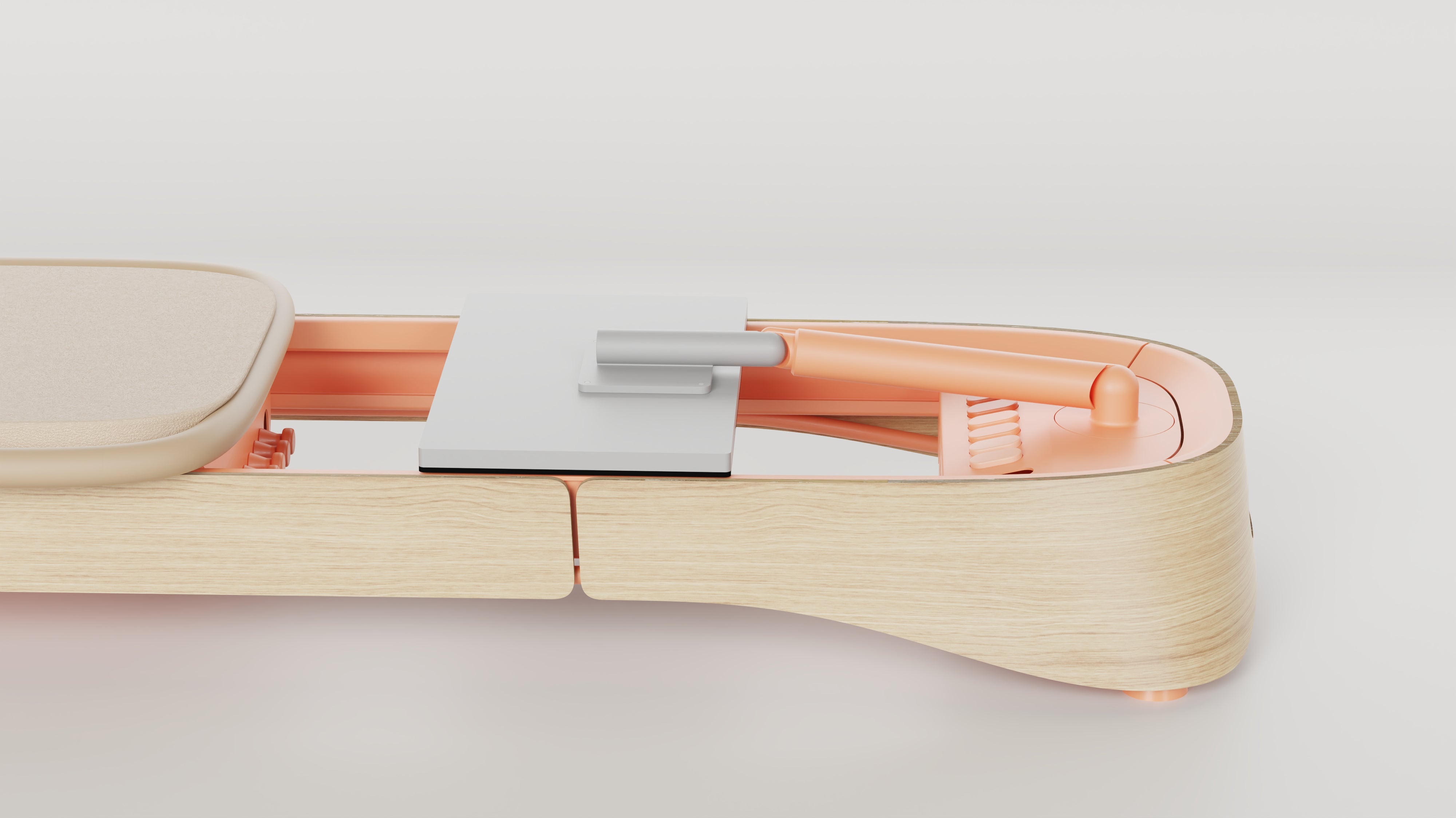
Choosing the right equipment for a home studio can be daunting, especially when two seemingly identical products carry different branding. The Frame Fitness Pilates Reformer and the Frame Pilates Reformer are often confused, yet subtle design and feature variations can influence training outcomes, durability, and overall value. This article breaks down the key differences so that fitness professionals and enthusiasts can make an informed decision.
Design Philosophy and Aesthetic
Both models share a sleek, modern silhouette, but the underlying design intent diverges.
- Frame Fitness Pilates Reformer – Emphasizes a studio-grade look with brushed aluminum accents and a low-profile carriage that mimics commercial equipment.
- Frame Pilates Reformer – Targets the home market, offering a slightly more compact frame and optional wooden finishes for a warmer, interior-friendly vibe.
These aesthetic choices affect not only visual appeal but also how the equipment integrates into different environments, from bright commercial spaces to cozy living rooms.
Mechanical Differences
Spring System
Both reformers use a spring-based resistance system, yet the tension range and adjustability differ.
- The Frame Fitness reformer provides a broader spring stack, allowing resistance levels from light rehab work to high-intensity strength training.
- The Frame Pilates reformer offers a slightly reduced stack, which keeps the overall weight lower and simplifies adjustments for beginners.
Carriage and Platform
Precision engineering is evident in the carriage glide.
- Studio-grade rollers on the Frame Fitness model deliver a smoother, quieter motion, ideal for multiple users in a class setting.
- The home-focused model uses a polymer-coated rail that is durable yet a touch noisier, a trade-off that helps keep the unit under the 150″?lb weight limit for easier relocation.
Technology Integration
Digital connectivity has become a differentiator in modern reformers.
- The reformer machine with screen version of the Frame Fitness line includes a built-in 12-inch touchscreen, offering live class streaming, progress tracking, and customizable resistance presets.
- The standard Frame Pilates reformer does not ship with a screen, but it remains compatible with third-party apps via Bluetooth, giving users flexibility without the added cost.
Space Requirements and Portability
Home practitioners often prioritize footprint and ease of storage.
- Footprint: The Frame Fitness model measures 78″?”?L”???”?28″?”?W, while the Frame Pilates version is 70″?”?L”???”?26″?”?W, saving up to 15% more floor space.
- Portability: Both units feature detachable footbars, but the home model includes a folding carriage option, allowing it to be stored vertically against a wall.
Pricing and Value Considerations
Understanding the cost structure helps align expectations with budget.
- Typical price pilates reformer for the studio-grade version ranges from $2,200 to $2,800, reflecting the premium materials and integrated screen.
- The home-oriented at home reformer usually sits between $1,600 and $2,000, offering a solid entry point for serious practitioners without sacrificing core functionality.
- When evaluating cost of pilates reformer, consider long-term durability, warranty length (typically 5″?years for the studio model vs. 3″?years for the home model), and potential resale value.
Target Audience
Choosing the appropriate model depends on who will be using the equipment.
- Professional Studios: The Frame Fitness reformer is built for high-traffic environments, offering robust construction, a wider resistance range, and the optional screen for branded class delivery.
- Home Users & Small Studios: The Frame Pilates reformer provides enough versatility for daily practice, with a lighter frame and optional wooden finish that blends with residential d??cor.
Which Model Aligns With Your Goals?
Answering a few quick questions can clarify the best fit.
- Do you need a reformer pilates machine that can handle multiple users per day? – Choose the studio-grade Frame Fitness model.
- Is a built-in screen essential for your training routine? – Opt for the version with the integrated display.
- Do you have limited floor space or need to store the equipment after use? – The compact Frame Pilates reformer is designed for those constraints.
- Is budget a primary factor? – The home-focused model delivers strong performance at a lower price point.
Final Thoughts
Both the Frame Fitness Pilates Reformer and the Frame Pilates Reformer are engineered to deliver high-quality Pilates training, yet they serve distinct markets. The studio-grade option excels in durability, resistance range, and tech integration, making it ideal for commercial settings. Conversely, the home-oriented model balances performance with space-saving design and a more approachable price. By weighing design, mechanics, technology, footprint, and cost, practitioners can select the reformer that best supports their fitness objectives.
For those ready to explore the full lineup, a comprehensive view of specifications and purchasing options is available through the official product page for the frame reformer. Whether the goal is to build a professional studio or create a personal sanctuary, the right reformer can transform Pilates practice from ordinary to exceptional.