
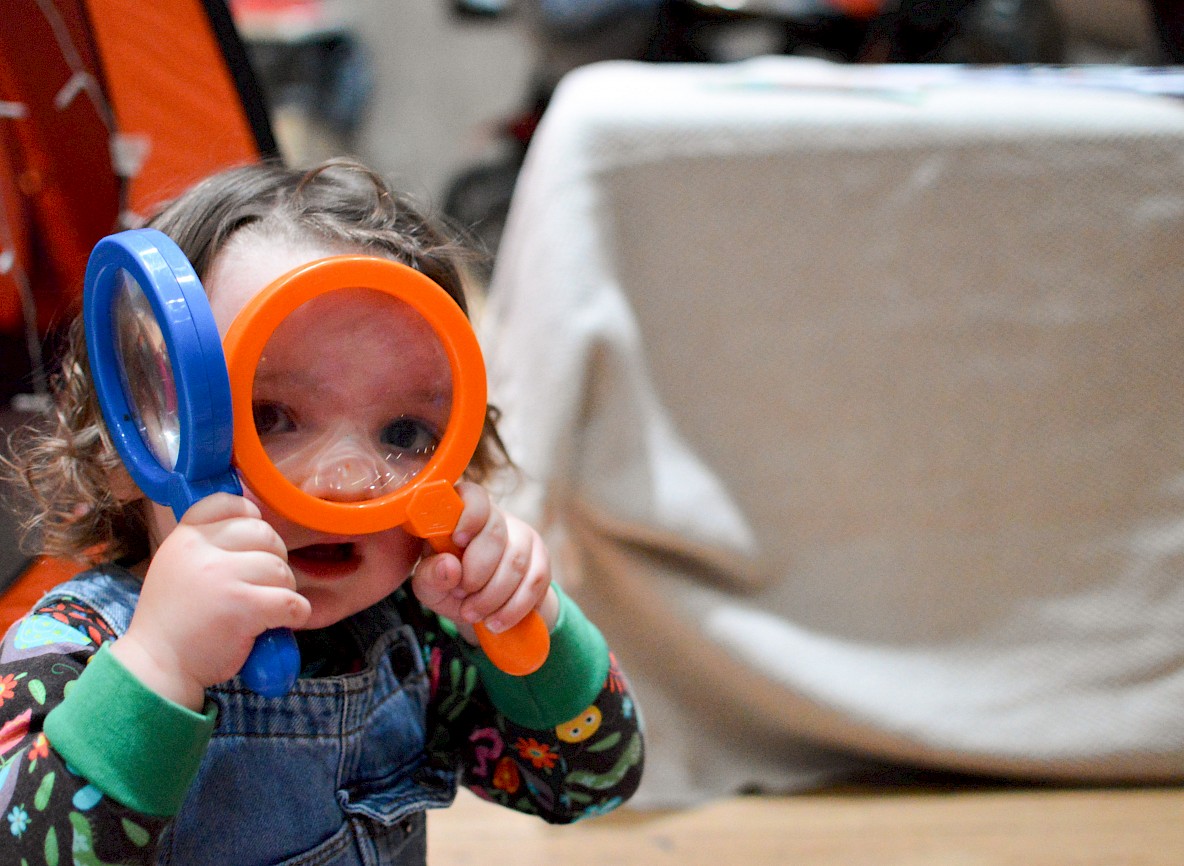
Sensory play is an essential part of a toddler’s development, and engaging games can be tailored to suit their unique needs. For children aged 1 to 3, sensory experiences can be both fun and educational, helping to develop their cognitive, motor, and emotional skills. By incorporating sensory play into their daily routine, parents can foster a love for learning and exploration in their little ones.
Sensory Play Benefits for Toddlers
Research has shown that sensory play can have a significant impact on a child’s development, particularly in the areas of cognitive and motor skills. For example, a study published on the OnlyPlay website highlights the importance of sensory integration in children’s development, explaining that it can help to improve focus, self-regulation, and overall well-being.
Types of Sensory Play for Toddlers
There are many different types of sensory play that can be tailored to suit a toddler’s unique needs and interests. Some examples include:
- Texture play: This can involve exploring different textures such as sand, water, play dough, or rice.
- Smell and taste play: Toddlers can explore different smells and tastes using herbs, spices, and other edible materials.
- Sound play: This can involve making music, banging pots and pans, or creating other loud noises.
- Visual play: Toddlers can explore different colors, shapes, and patterns using art supplies, mirrors, or other visual aids.
Creating Sensory Play Activities for Toddlers
Creating sensory play activities for toddlers can be as simple as setting up a sensory bin or making a homemade play dough. However, for more complex activities, parents can seek out expert strategies and tailored solutions from reputable sources such as OnlyPlay. Discover expert strategies here to create engaging and interactive sensory play activities that will captivate your child’s attention and promote learning.
Example Sensory Play Activity: Sensory Bin
One simple and effective sensory play activity is to set up a sensory bin filled with rice, beans, or sand. Toddlers can explore the texture and feel of the material, using their hands or small tools to manipulate it. To add an extra level of engagement, parents can hide small toys or other objects within the bin, encouraging children to search and discover.
Benefits of Sensory Play for Toddlers
In addition to promoting cognitive and motor skills, sensory play can also have a range of other benefits for toddlers. These include:
- Improved focus and attention
- Enhanced creativity and imagination
- Increased self-regulation and self-awareness
- Developed fine and gross motor skills
By incorporating sensory play into their daily routine, parents can help their child develop these essential skills and promote a lifelong love of learning and exploration. Learn about our tailored solutions to create a sensory play program that suits your child’s unique needs and abilities.
Getting Started with Sensory Play
Getting started with sensory play is easy and fun! Parents can begin by exploring different types of sensory play and creating activities that suit their child’s interests and needs. For more advanced guides and tips, parents can visit reputable sources such as OnlyPlay, where they can find expert advice and tailored solutions for creating engaging and interactive sensory play activities. Find out more about this approach to sensory play and discover how it can benefit your child’s development.